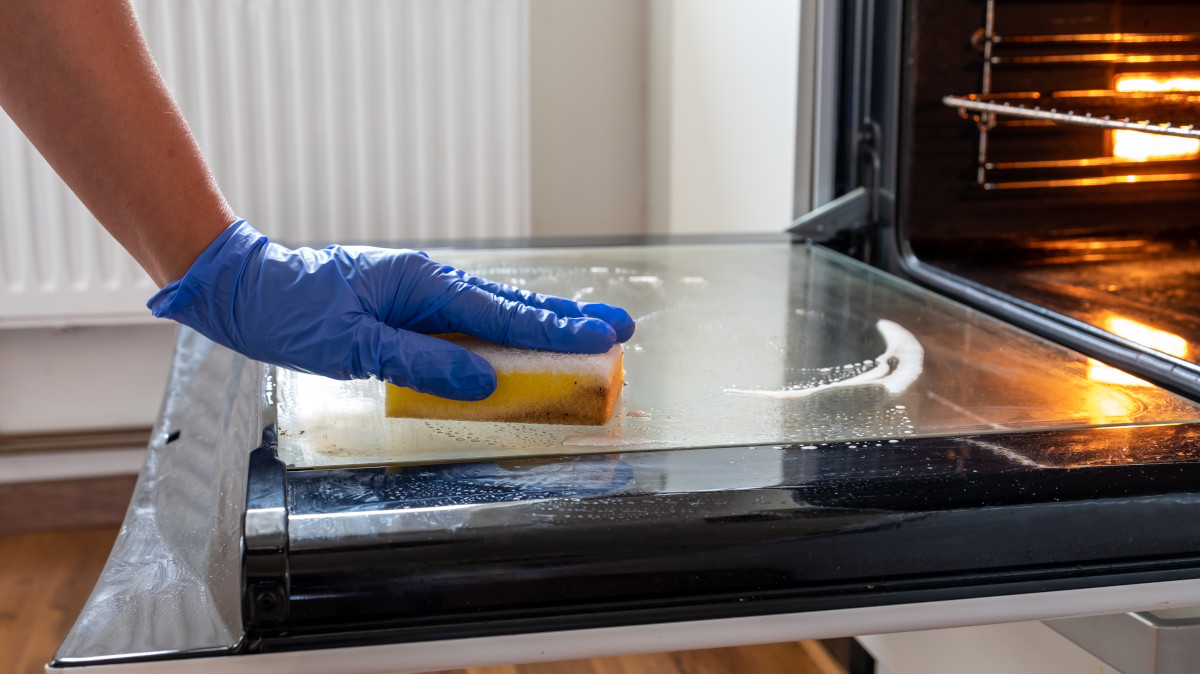
Ever pulled a tray of cookies out of the oven only to wonder why they taste like last week’s burnt lasagne? Chances are, your oven’s interior is hanging on to every culinary crime you’ve ever committed.
The solution’s simple: a little regular care. The following quick, budget-friendly tricks will keep your oven spotless, efficient, and ready for whatever you’re cooking next.
Use the Right Cleaning Products
Using the wrong cleaning products can quietly ruin your oven. They contain a lot of harsh chemicals that strip away protective layers, leaving your appliance worse for wear. Safer alternatives are the way to go.
Go for gentle cleaners that are environmentally friendly. You can even create your own using a mix of baking soda and water. It’s cheap, effective, and kind to your oven.
To be on the safe side, use cleaners that have labels such as “oven-safe” or “non-toxic.” This means it’s suitable for your oven and your wellbeing, too. In all cases, try to always do a quick patch test first to avoid any nasty surprises.
This little bit of caution pays off big time. Your oven heats evenly, lasts longer, and costs you less in repairs and replacements.
Clean Spills Immediately
Make life easier by wiping up spills the moment they happen. Leave them, and they’ll bake into stubborn stains that need serious scrubbing—risking damage to the interior coating. A quick swipe with a soft cloth saves all that trouble.
A cloth can be insufficient at times. Thus, it’s wise to keep a cleaning solution close by. You don’t have to go for fancy commercial products. Just a spray bottle with water and vinegar does the trick.
Remember that patience pays off, so always let your oven cool completely before wiping it down.
Cleaning while it’s hot isn’t just risky for burns. It can also warp the coating or cause cleaners to evaporate too quickly, leaving streaks and residue. Give it at least 30 minutes to cool, then tackle spills easily without damage.
Avoid Using Abrasive Tools
Always try to avoid using harsh, abrasive cleaning tools. Using items like steel wool or rough sponges can scratch your oven’s interior.
This can damage its protective layer, making it work less efficiently. It can even spread metal bits in your platters, resulting in an unsafe cooking experience.
Opt for soft cloths or non-abrasive sponges instead. Silicone sponges are a great choice. They handle tough spots without leaving scratches.
Inspect the Coating Regularly
As mentioned above, to protect your oven’s durability, you’ll need to be proactive. This can look like establishing an inspection routine. Set a monthly habit of checking the interior for scratches, chips, or cracks.
If you spot any damage in the coating, use a heat-resistant sealant kit and address these marks.
Also, pay attention to any signs of discolouration or peeling, as these often indicate heat damage. Catching these early prevents further wear and ensures your oven remains energy efficient.
This simple step saves you from expensive repairs, keeps energy bills down, and ensures your next lasagne cooks to perfection.
Check the Door Seal
A worn or dirty door seal can sabotage your efforts. If the gasket isn’t doing its job, heat escapes, making the oven work harder and cook unevenly. Over time, that means higher energy bills and undercooked meals.
Inspect the seal regularly for cracks, fraying, or food debris. Give it a gentle clean with warm, soapy water and a soft cloth.
Make sure to avoid sharp tools that could damage it. If you notice significant wear, replace the seal promptly. It’s a small fix that makes a big difference in efficiency and performance.
Use Oven Liners
Think of oven liners as aprons for your oven. They catch spills, stop stains and are also easy to clean. They also spare your oven from aggressive scrubbing that can eventually wear down its coating over time.
Choose liners that can handle high heat, and measure your oven for the right fit. Silicone liners are a great pick. They’re tough, flexible and easy to clean.
Skip the foil trick, though. Lining the bottom with foil might seem like a shortcut, but it’s risky. Foil reflects heat, which can scorch the coating or warp the oven base. It can also block airflow, leading to uneven cooking. So stick with liners or place a baking tray on a lower rack instead.
Installing them is quite simple. Just put it on the bottom rack, and make sure it doesn’t block the air vents.
Give it a clean after a few uses and replace it when it shows signs of wear. This small step keeps spills off the oven floor, saves time, and even helps heat distribute evenly for better cooking results.
Limit Self-Cleaning Cycle Use
If your oven has a self-cleaning feature, use it sparingly. It’s definitely a great option to have. However, as it uses extremely high temperatures that can go up to 900°F, it can damage your appliance’s inner coating.
Instead, consider hiring stove cleaning services that know how to handle delicate oven surfaces. Or stick to a gentler DIY approach.
Mix baking soda with water until it forms a paste, spread it on the walls, and let it sit overnight. The next day, wipe it clean. This is an easy, sustainable way to care for your kitchen.
The key is consistency and regular oven maintenance. Wipe spills as they happen, limit self-clean cycles, and stick to mild cleaners. This routine keeps your oven looking great and working efficiently without the risk of costly damage.
Conclusion
Next time you pull out a tray of brownies that tastes like last week’s roast, you’ll know why this matters. A little care now can save hours of scrubbing later and stop your meals from having those mystery flavours.
Wipe spills as they happen, check the coating, and let liners do the hard work. Keep your oven happy and it will reward you with perfect bakes every time.
Ready to start? Give it some TLC today with these tips!
